The rise of vaping has created a surge in the popularity of vape cartridges. Consumers around the world are asking, "Are vape cartridges safe to use?" This question is critical for buyers who prioritize their health and safety. As products enter the market with varying quality and formulations, understanding the potential risks and benefits is essential.
Vape cartridges often contain substances that may affect users differently. Some users have reported adverse reactions, raising concerns about these products. Regulatory standards vary widely across countries. Additionally, buyers must navigate a confusing landscape of brands and ingredients. The lack of consistent quality control can lead to uncertainty among consumers.
Furthermore, misinformation can cloud the overall safety perception of vape cartridges. Users might rely on anecdotal experiences or unverified claims. Research is ongoing, and new information regularly emerges. Reflecting on these variables is important when making a decision. A careful approach can help consumers determine if vape cartridges are safe for their personal use.
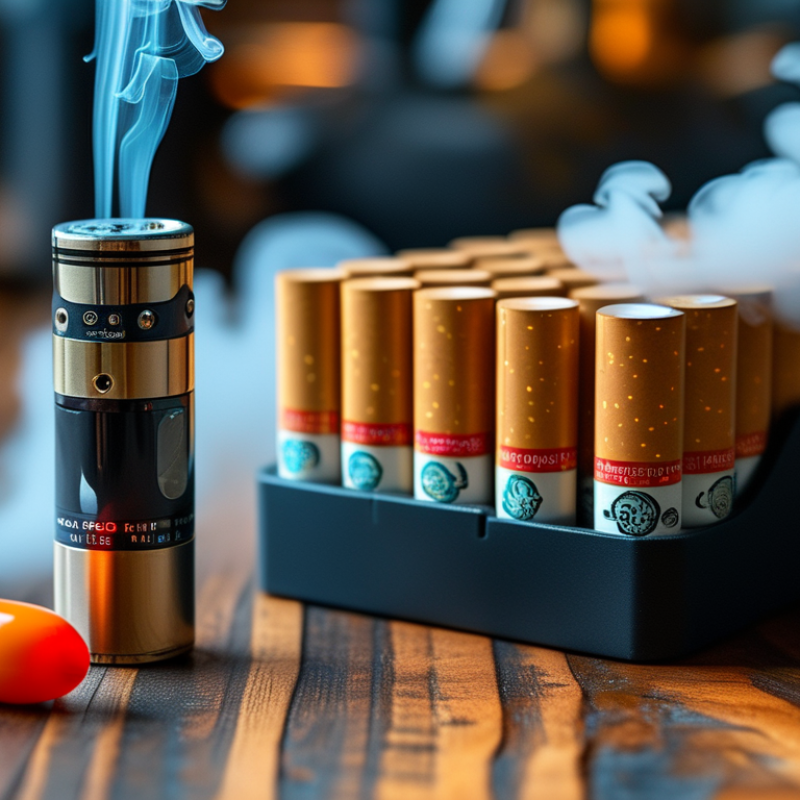
Vape cartridges have gained popularity in recent years, primarily for their convenience and ease of use. These cartridges typically contain a liquid mixture of active ingredients, often derived from cannabis or nicotine. This blend is heated to create vapor, which users inhale. Understanding their composition is crucial for informed choices.
Many cartridges contain various additives, including solvents and flavoring agents. While these components can enhance the vaping experience, not all are considered safe. Some may produce harmful byproducts when heated. It's essential to research and select cartridges with known, reliable ingredients.
Tips: Always examine the ingredient list. Look for transparency in sourcing and production methods. Consider researching third-party lab tests for quality assurance. If a product lacks these credentials, it may be best to avoid it. Each user should reflect on their health conditions and preferences. Trusting the right sources can lead to safer experiences.
The global vape cartridge market has seen significant growth in recent years. According to a recent report by Grand View Research, the global market size was valued at approximately $3.7 billion in 2022. This growth can be attributed to an increasing number of adult users seeking alternatives to traditional smoking. Many consumers view vape cartridges as a less harmful option, which has spurred purchasing trends.
However, the landscape is not without its challenges. Concerns about safety and product quality remain prevalent. A study by the CDC noted that some vape cartridges contain harmful substances, raising red flags for users. The complexity of regulation in different countries further complicates consumer trust. Many buyers are unsure about the safety of these products due to varying standards and oversight.
Market trends indicate a shift towards more organic and transparent products. Consumers are increasingly seeking cartridges that highlight ingredient sourcing. Research from Mordor Intelligence suggests that the organic vape cartridge segment is expected to grow significantly in the coming years. This shift reflects a desire for safer and more reliable options. As buyers navigate this complex market, it’s essential to prioritize informed choices based on quality and transparency.
Vape cartridges have gained popularity, but their safety remains a major concern. Many users might overlook the potential health risks involved. Regular consumption can lead to respiratory problems, lung irritation, and even allergic reactions. Chemicals such as propylene glycol and vegetable glycerin are common in vape products. These substances can degrade into harmful compounds when heated.
The manufacturing process of vape cartridges is often inconsistent. This inconsistency leads to variations in quality and safety. Some cartridges may contain harmful additives or contaminants, which can pose serious health risks. Reports of lung injuries linked to vaping have emerged globally, raising alarms. Understanding these risks is crucial for consumers making decisions about their health.
It's also essential to consider individual health conditions. People with pre-existing respiratory issues are particularly vulnerable. There is still much to learn about the long-term effects of vape cartridge use. Users should remain informed and cautious. The need for regulatory standards is clear. Until consistent regulations are in place, buyers must weigh their choices carefully.
Vape cartridges have gained popularity worldwide, but their safety varies by region. Different countries enforce distinct regulatory standards. For example, the United States has set guidelines for nicotine levels and acceptable ingredients, but enforcement can be inconsistent. In contrast, the European Union emphasizes strict testing for harmful substances. This discrepancy can confuse global buyers.
Data from the World Health Organization (WHO) indicates that regulation is essential for consumer safety. A lack of standardization can lead to low-quality products. Reports suggest that in some areas, over 30% of vape cartridges tested contained harmful contaminants. This raises questions about safety for users.
User safety is a critical concern when it comes to vaping with cartridges. Quality control is variable in the market, which can impact user experiences. It’s vital to choose products from reputable sources. Look for cartridges that provide lab testing results. Transparency in ingredients is essential.
Tips: Always read reviews before purchasing. Seek feedback from other users about a product’s safety. Be wary of items that lack clarity in their composition.
Proper usage of cartridges significantly enhances safety. Avoid overheating your device, as this can lead to harmful chemicals being released. Regularly inspect your cartridges for any damage or leaks.
Tips: Frequent checks can prevent unexpected issues. If you notice unusual taste or odor, stop using the cartridge. Good maintenance habits can prolong the lifespan of your device and ensure safer vaping experiences. Always stay informed on best practices as you continue to navigate the vaping landscape.
: The global market size was approximately $3.7 billion in 2022.
Many adults are seeking alternatives to traditional smoking, viewing vape cartridges as less harmful.
Some cartridges contain harmful substances, which raises serious safety concerns for users.
Inconsistent manufacturing can lead to variations in quality and potential health risks.
Users may experience respiratory issues, lung irritation, and allergic reactions due to certain chemicals.
Always check for lab testing results and seek transparency in ingredients and formulation.
Inspect cartridges regularly for leaks, and avoid overheating to prevent harmful chemical release.
Reviews can provide insights into product safety and user experiences, guiding informed choices.
Stop using the cartridge immediately and investigate for potential issues.
They are particularly vulnerable to health risks related to vaping; caution is essential.
The article titled "Are Vape Cartridges Safe for Global Buyers to Use?" provides a comprehensive overview of vape cartridges, including their composition and the current market trends in their usage worldwide. It highlights the increasing popularity of vape cartridges among users but raises important questions about their safety. Health risks associated with vape cartridge consumption are thoroughly examined, emphasizing the potential dangers they may pose to users' health.
Additionally, the article discusses varying regulatory standards for vape cartridges across different regions, underscoring the need for awareness of local regulations. To ensure user safety, it offers best practices for vaping with cartridges, stressing the importance of informed choices. Ultimately, consumers are left to ponder: are vape cartridges safe to use? The answer may depend on multiple factors, including personal health, regulatory guidance, and adherence to safety practices.

Mist Vape